
Pere Llibre Bas: Biography of the Confectioner, Antiquarian and Promoter of Casa Pere Llibre
Who Was Pere Llibre Bas?
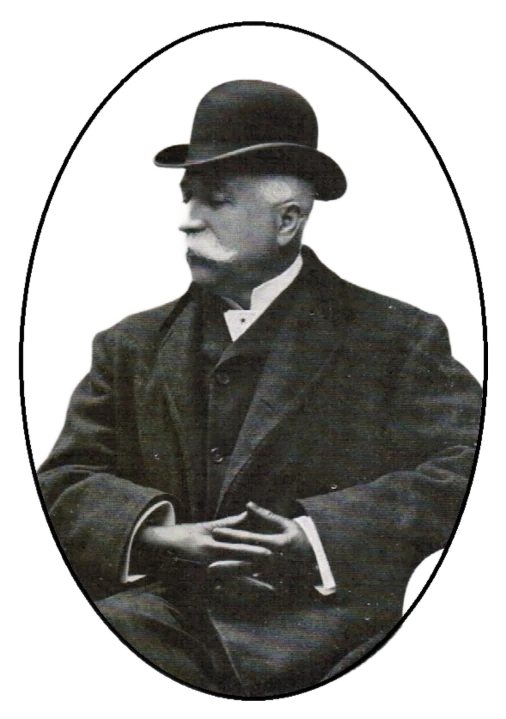
Pere Llibre Bas (18XX - 1907), a native of Cardedeu (Barcelona), is remembered as one of the most distinguished and popular confectioners in the Catalan capital. After working as a shop assistant at "La Palma", he decided to establish his own luxury confectionery shop in 1872, "Casa Llibre". Strategically located at the corner of Carrer Ferran and La Rambla del Centre, it quickly became a landmark for lovers of fine sweets.
Initially, Casa Llibre focused on selling confectionery, but over time it incorporated the sale of antiques. Thanks to this strategy, Casa Llibre became an iconic venue in Barcelona, where customers could enjoy delicious sweets while admiring the unique antiques offered in the shop.
Later, in November 1883, given the resounding success of the venture, he expanded his business by opening a new and elegant shop dedicated to antiques, objets d'art, and luxury furniture in a five-story building just a few meters from his confectionery on Carrer Ferran.
The Llibre Family Legacy
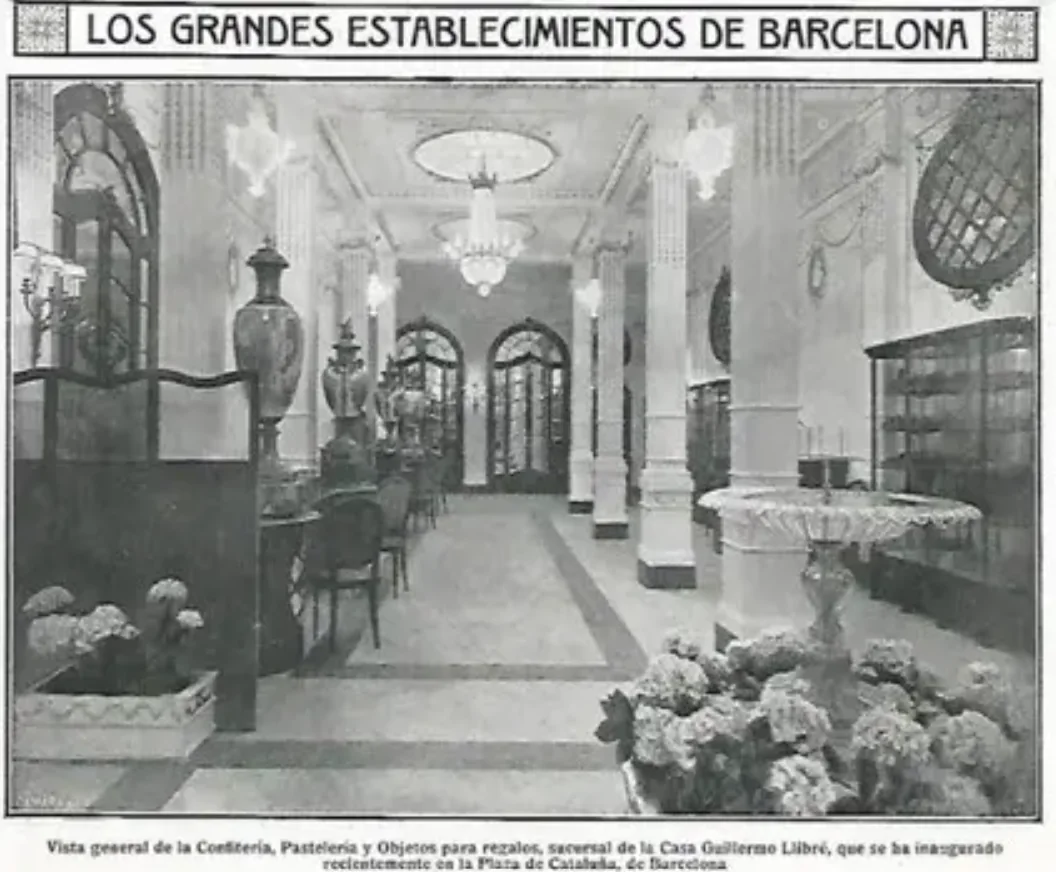
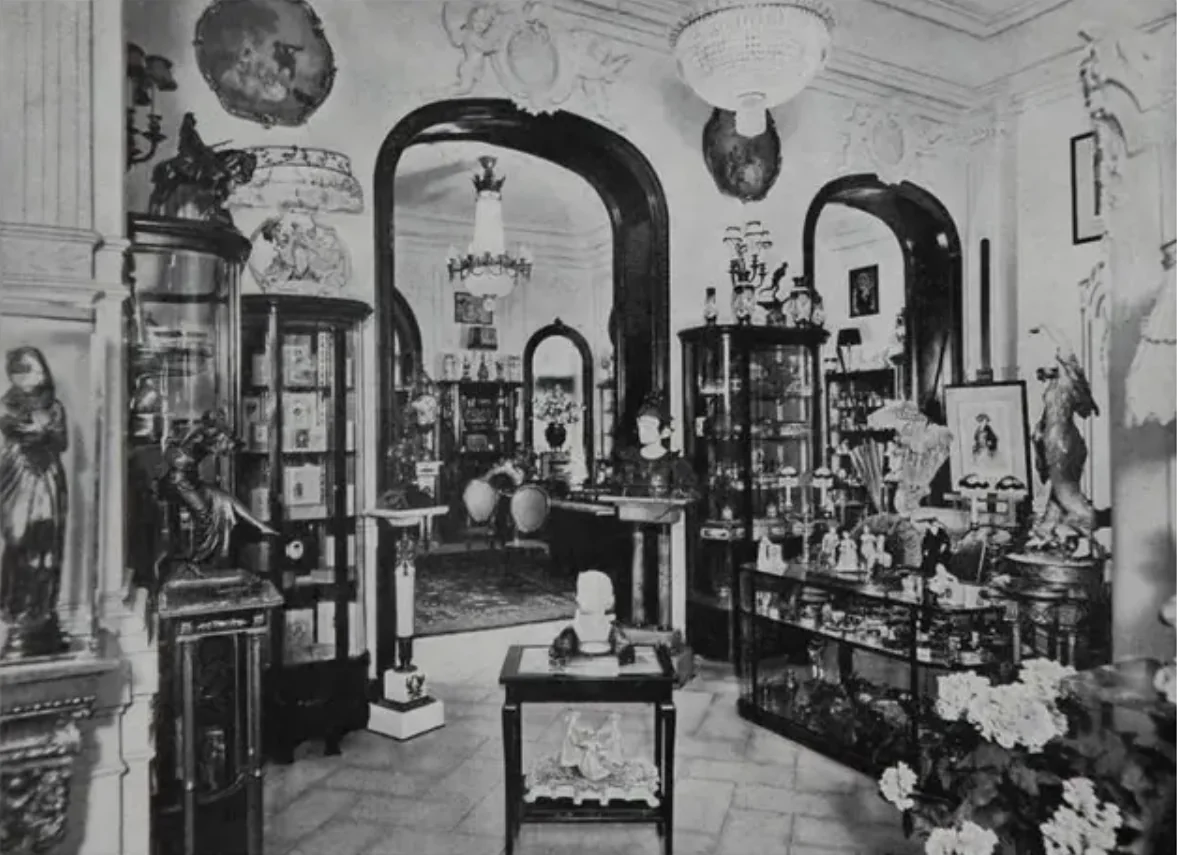
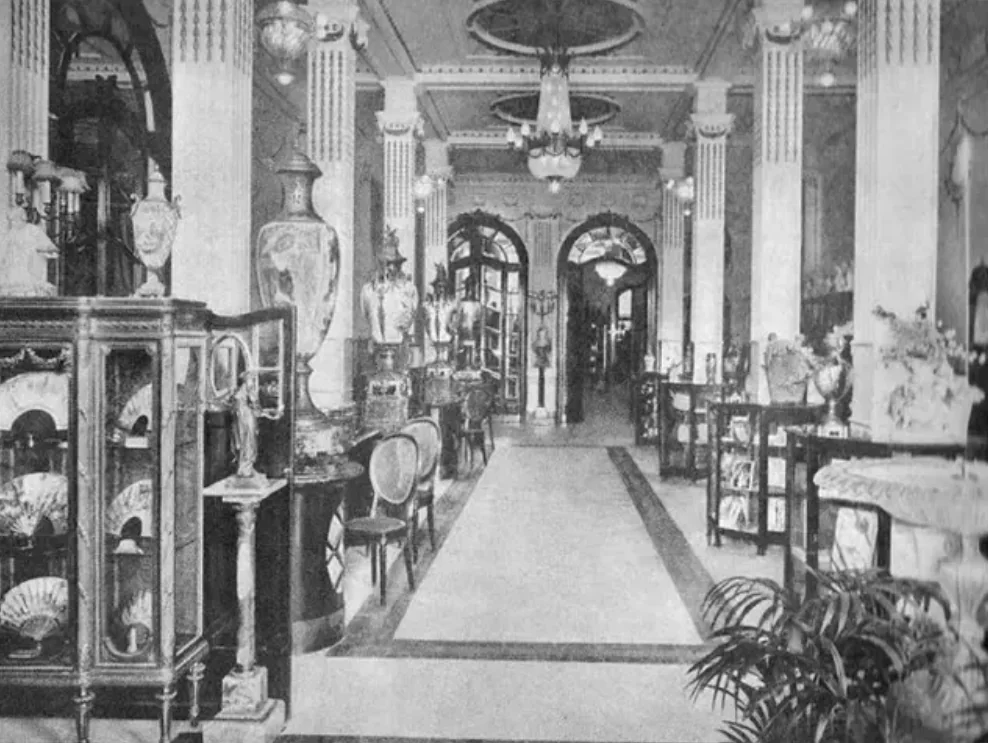
- Pere Llibre's son, Guillermo, ran a branch of his father's confectionery on Plaça de Catalunya, which opened in 1912. Designed by architect Enric Sagnier, it won first prize in the City Council's annual artistic competition. In 1925, it relocated to Gran Via.
- In 1900, his nephew Lluís Llibre i Blanch opened a confectionery on Carrer Fontanella with his partner Jaume Serra, called Llibre y Serra. Later, in 1912, they moved their shop to Ronda de Sant Pere.
- Another nephew, Lluís Llibre i Perearnau, took over the management of the "Llibre y Serra" establishment starting in 1935.
Source and further info: fernandoalcolea.es
Historical Engravings and Photographs of the Pere Llibre Confectionery on Carrer Ferran
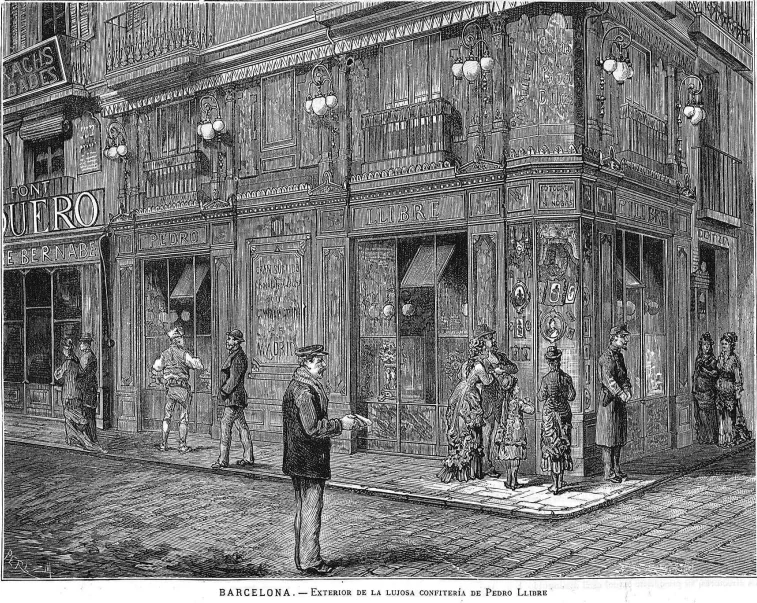
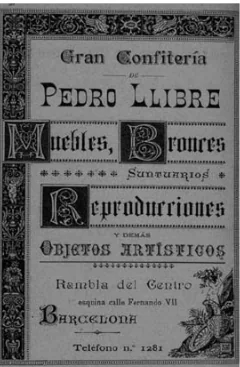
Engraving of the Confectionery
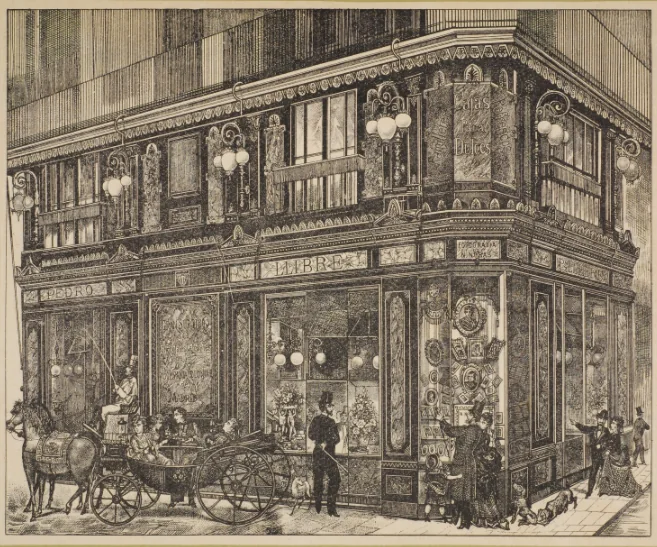
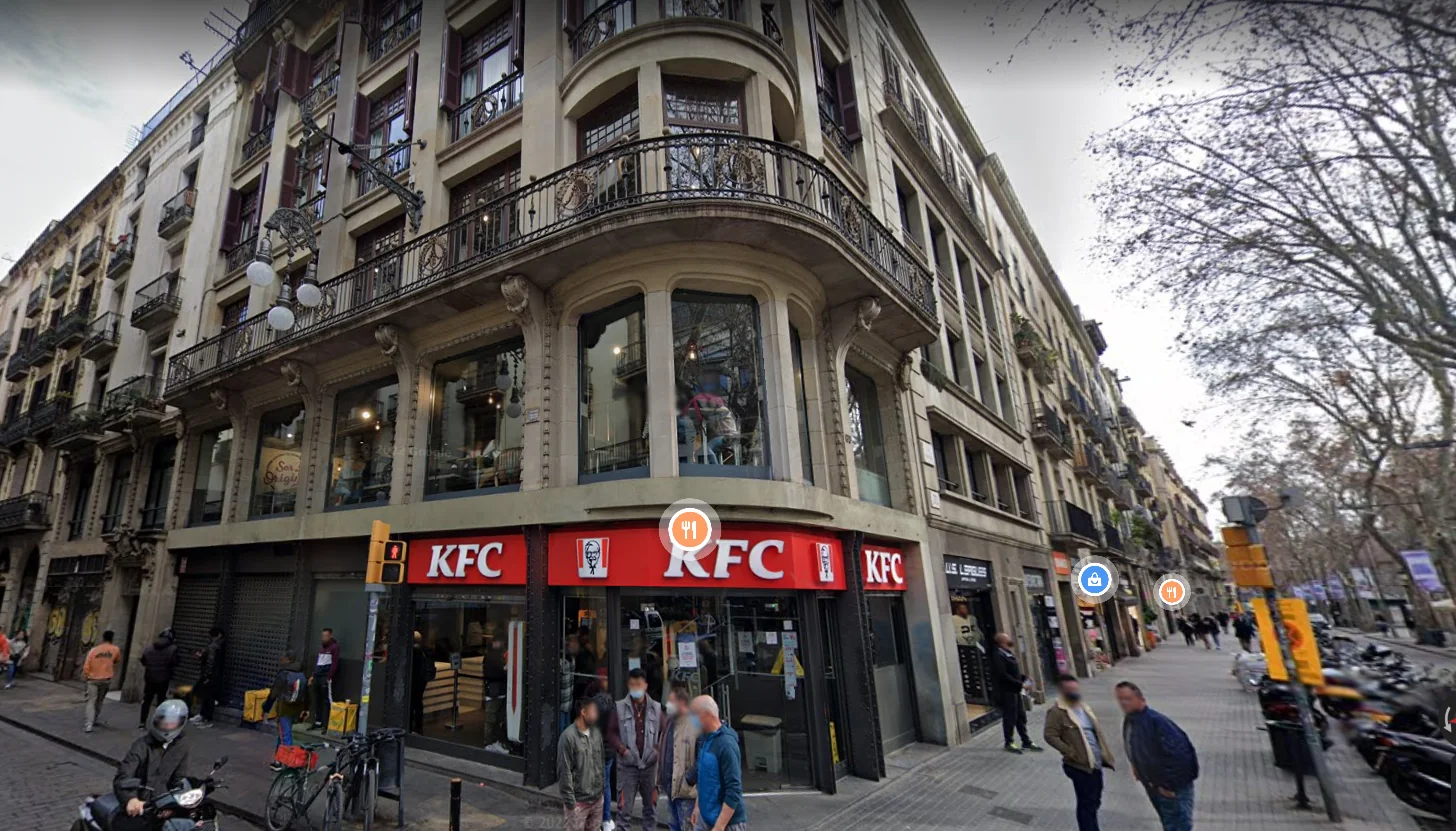
The shop building today
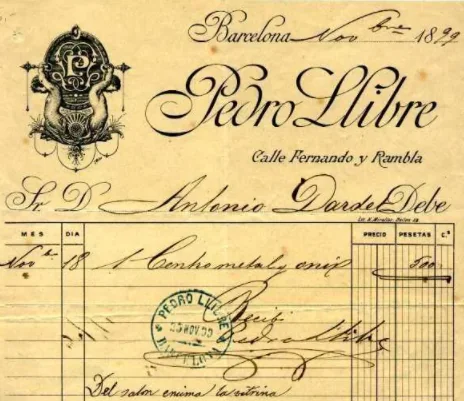
Original invoice from 1889
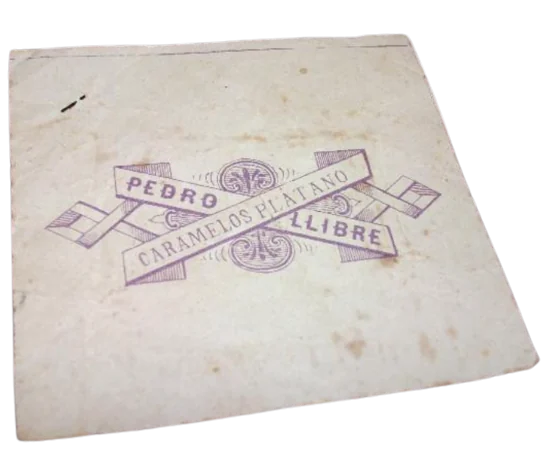
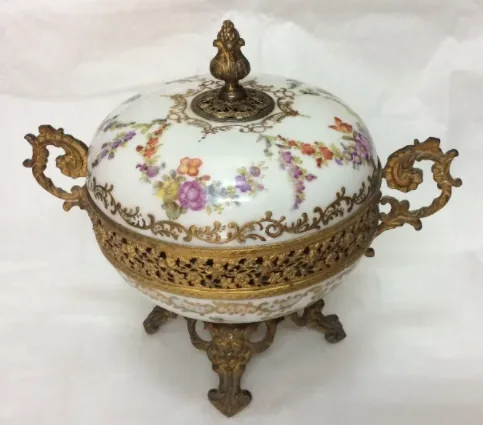
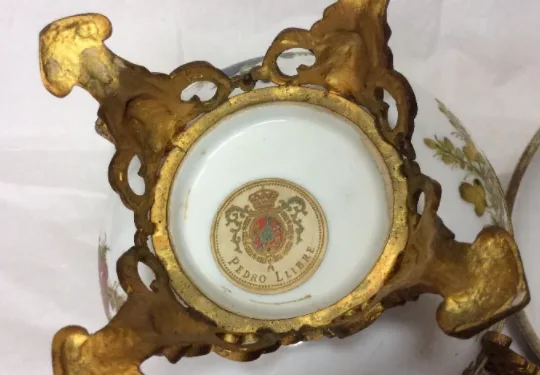
Bonbonnière sold by Pere Llibre
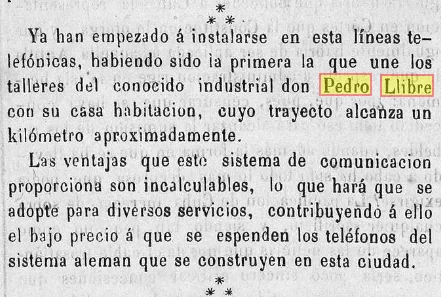
News item from the newspaper El Bien Público, March 7, 1878
Main facade photograph
Pere Llibre's Antique Shop in Barcelona
The First Fixed Telephone Line in Barcelona (1878)
His Summer Residence in Cardedeu
En 1889, el Maestro de Obras Eudald Pagès Comas proyectó la segunda residencia del señor Pere Llibre, ubicada en la Av. Rei en Jaume, 41 de Cardedeu en el Vallés Oriental y fue la primera torre de la Villa, según las palabras de T. Balvey recogidas en la "Hoja de nuestra historia". En 1930 se reformó la torre, momento en que fue estucada con un color rojizo.
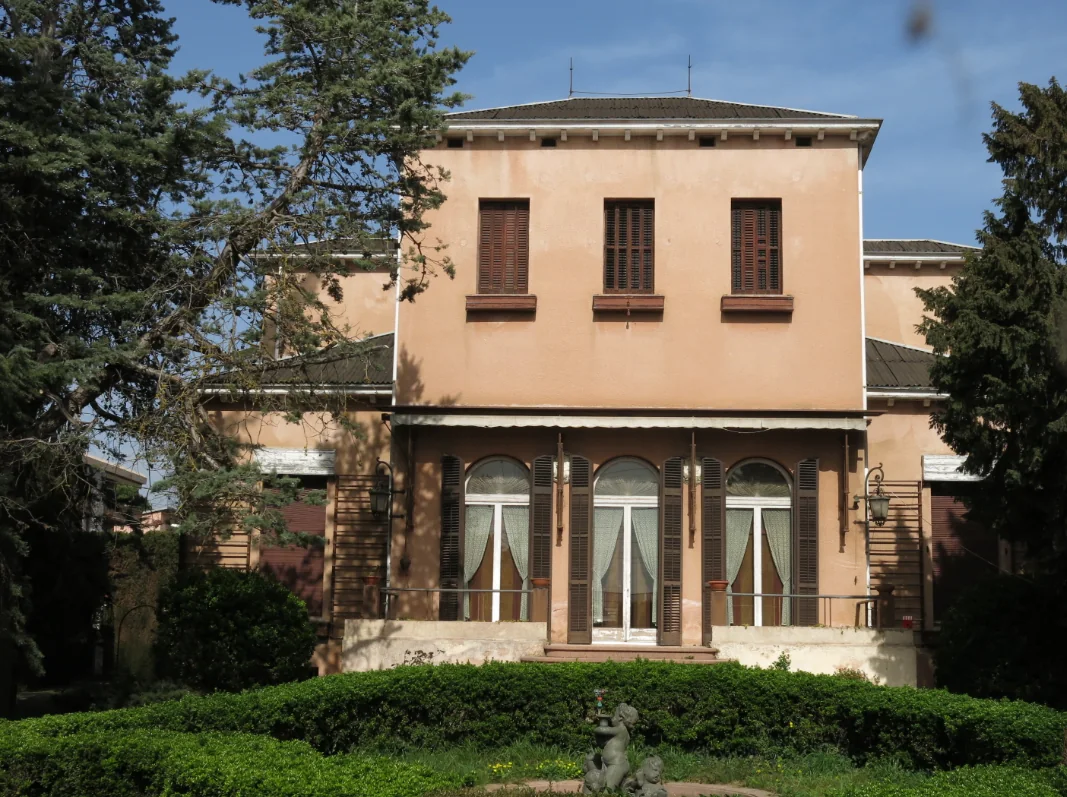
Foto fachada principal
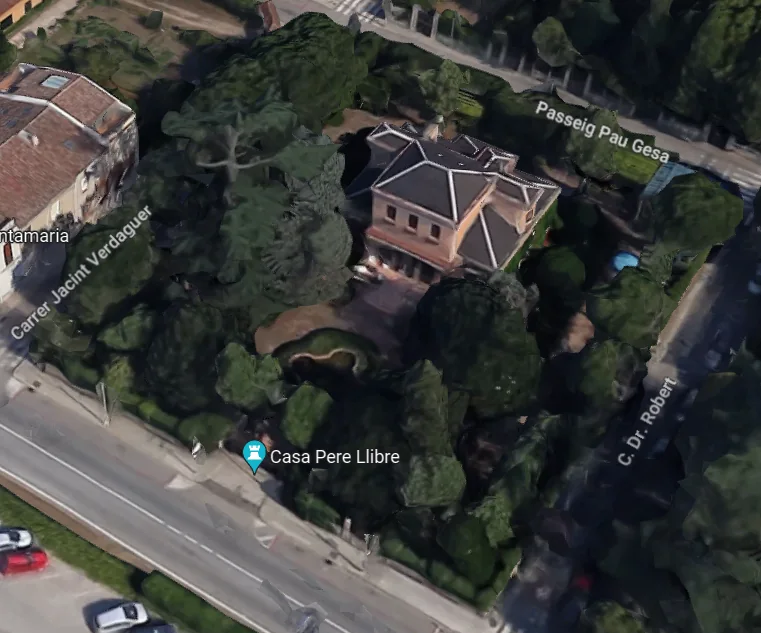
Foto vista aérea
Fuente: Memoria del inventario del Ayuntamiento de Cardedeu y Wikipedia
Neo-Gothic Pantheon of Pere Llibre at Montjuïc Cemetery
El panteón del Sr. Pere Llibre se encuentra en el Cementerio de Montjuic en Barcelona y fue proyectado por el arquitecto Antoni Rovira Rabassa y esculpido por Josep Campeny Santamaria en 1888.
Presenta una estética egipcia típica de las tumbas de la época. El elemento más destacado es una figura de ángel con alas desplegadas, sosteniendo flores y una larga túnica que cae por los escalones, en actitud de colocar una corona floral sobre la lápida, debajo de la qual se puede leer P. Llibre.
*Para hacer un tour virtual del panteón, accede al video de YouTube.